







Search Results for: Electric Milk Frother
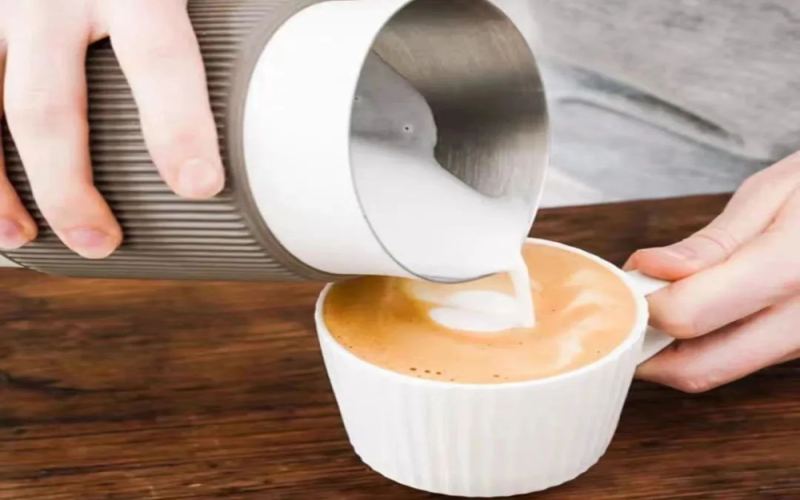
A Detailed Guide to Using the Fully Automatic Milk Frother NanoFoamer Pro: Can Electric Milk Frothing Achieve Latte Art Effects?
To create outstanding latte art, dense and velvety milk foam is the fundamental prerequisite, and this typically relies on a pressurized espresso machine. However, in a home setting, even with an espresso machine, it is difficult to produce ideal milk foam without long-term practice. Most electric milk frothers on the market struggle to achieve the fine texture required for latte art; the foam is often coarse and clumpy, good enough at best for making a heart shape. Recently, a fully automatic milk foam whipper called NanoFoamer Pro has drawn attention, claiming to produce coffee-shop-quality milk foam and making "latte art freedom" at home a possibility. This article will provide a detailed introduction to this product's operating steps, function modes, pricing information, and design highlights, and explore whether electric milk frothing can truly be used for latte art. [more…]

The Origin and Making of Hand-Whipped 400-Times Coffee: From Macau's Hon Kee Tea Stall to Korean Viral Fame
A cup of frothy coffee that requires repeated whipping hundreds of times quickly became popular due to the Korean variety show "New Product Launch Convenience Restaurant." During the pandemic, Koreans trapped at home rushed to imitate it, sparking a check-in craze on social platforms. Many people think this was invented in Korea, but its origins actually lie in Macau—at the Han Kee tea stall in an abandoned shipyard in the city's ring district. The owner mixed instant coffee powder, hot water, and granulated sugar in a 1:1:1 ratio, whipping it by hand at high speed to achieve a dense foam after about four hundred strokes. This article traces the origin and principles of this drink, and provides specific steps to recreate it using espresso and an electric milk frother, preserving Front Street Coffee's production demonstration and tasting experience. [more…]
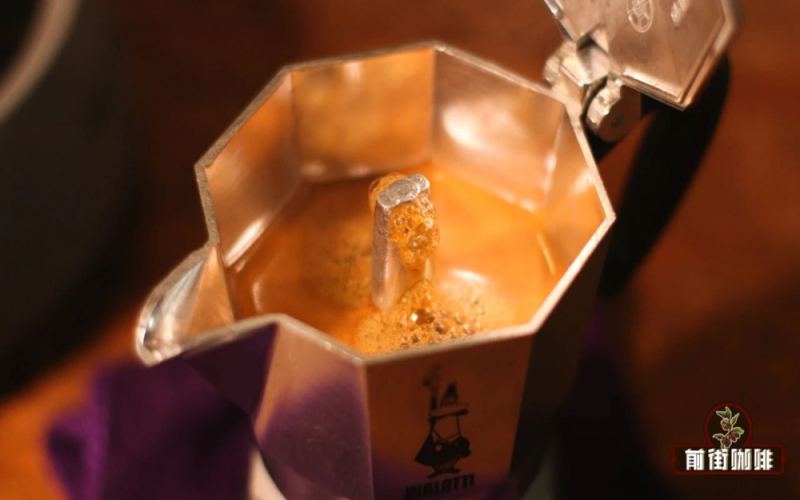
Easily Make Cappuccino at Home: A Complete Guide to Espresso and Milk Frothing Techniques
Cappuccino, with its rich coffee aroma and dense milk foam, has always been a popular choice in coffee shops. But have you ever thought about recreating an authentic cappuccino at home without a professional espresso machine? This article will start with the flavor characteristics of cappuccino, breaking it down into two parts: espresso and steamed milk. It will introduce extraction methods such as the moka pot and pour-over, as well as frothing techniques using an electric milk frother, milk frothing pitcher, and French press. Front Street Coffee will also share a sunflower warm sun blend bean suitable for pairing with milk, along with specific coffee-to-water ratios, water temperatures, and operating steps to help you easily make a cappuccino at home with the right temperature and full-bodied taste. [more…]

How Is a Shaken Ice Americano Different from a Regular Ice Americano? A Complete Analysis from Principles to Three Brewing Methods
The quicksand iced americano, with its visual effect of fine sand-like particles slowly settling in the cup, has always held a place among creative coffees. How exactly does it differ from a regular iced americano? From the perspective of Front Street, this article first explains the aeration principle behind the "quicksand" phenomenon, then provides reference ratios of espresso to ice water, and breaks down three preparation methods one by one: steam wand, French press, and manual or electric milk frother. Regardless of which tool is chosen, the finished drink has a rich, smooth texture and delivers an experience similar to foamy beer. The article also specifically notes: Front Street's stores do not offer this beverage. [more…]
The Complete Process of Making Fancy Coffee: From Grinding and Brewing to Milk Steaming and Latte Art Techniques
Fancy coffee is a leisure drink beloved by many, but its preparation process is not complicated. This article breaks down, step by step, the practical methods for making fancy coffee at home—from grinding coffee beans, brewing coffee, frothing milk, to pouring latte art and blending—and reminds you of easily overlooked details such as grinding temperature and the best time to drink it. It also recommends Front Street Blue Mountain coffee, which is suitable for making fancy coffee, as well as practical equipment such as hand-cranked coffee grinders, electric coffee grinders, French presses, siphon pots, milk frothing pitchers, and coffee cups, helping coffee lovers easily enjoy the pleasure of homemade fancy coffee. [more…]
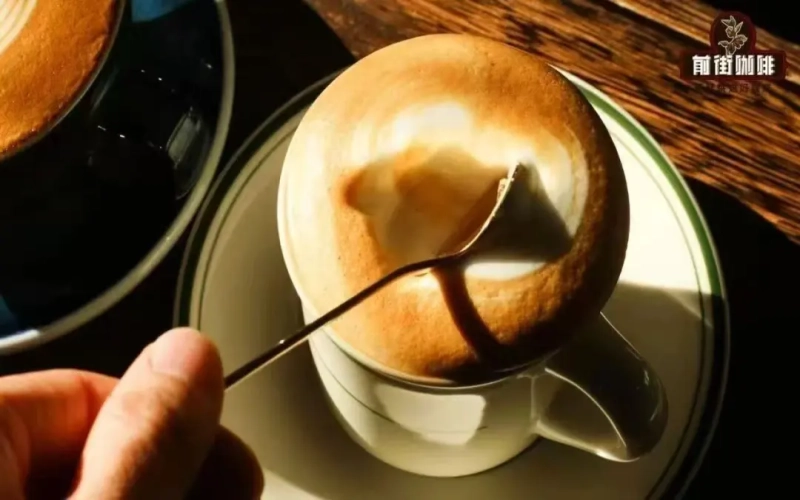
Easily Make Cappuccino at Home: A Complete Guide to Espresso Extraction and Thick Milk Foam, Master Hot and Iced Drink Steps at Once
As a classic representative of Italian milk coffee, cappuccino is deeply loved for its rich, mellow, dense, and smooth taste. Although it has similar ingredients to a latte, the differences in ratio and milk foam thickness bring a completely different taste experience. In this article, Front Street will share in detail how to make a delicious cappuccino at home, covering how to obtain espresso (coffee machine or moka pot alternatives), various ways to froth thick milk foam (electric frother, French press), and the specific assembly steps for hot cappuccino and iced cappuccino. It also recommends two coffee beans, Front Street Classic Blend and Grana Geisha SOE, to help you perfectly recreate the traditional Italian flavor at home. [more…]
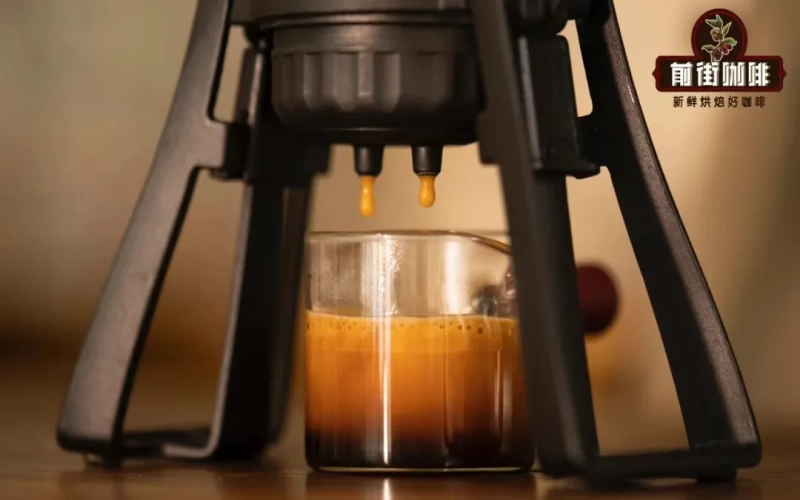
How to froth latte milk foam at home? How to deal with milk foam that is too thick? What is the appropriate milk temperature for cappuccino?
Nowadays, high-pressure extraction tools such as manual presses and dual-valve moka pots are emerging one after another. Even without an expensive fully automatic or semi-automatic espresso machine, you can still make a cup of strong coffee at home that is close to espresso flavor. However, these devices cannot directly provide milk foam like a coffee machine. If you want a "latte" or "cappuccino" with a velvety texture, you still need to find another way. In this article, Front Street will guide you through the principles of milk foam formation, teach you step by step how to make milk foam at home with an electric milk frother, answer common questions such as foam that has been whipped too thick or has a rough surface, and finally discuss the optimal temperature of milk for cappuccino. [more…]
A Beginner's Guide to Milk Steaming for Latte Art: A Complete Breakdown of Techniques from Theory to Practice
Want to create dense, smooth latte art milk foam at home, but keep getting discouraged by "over-whipped," "separated," or "can't pour a pattern"? Actually, milk frothing isn't as mysterious as it seems. As long as you understand the principles, choose the right tools, and master a few key details, even beginners can produce consistent results. This article starts with the formation principles of milk foam, then breaks down the three major factors in steam frothing: milk, steam wand, and pitcher. It also includes detailed hands-on steps and advanced tips, covering core points such as temperature control, aeration ratio, vortex frothing, and judging integration. Whether you use an espresso machine or a handheld milk frother, you'll find a practice direction that suits you. The article also retains relevant recommendations for the Front Street Coffee brand for coffee lovers to reference when purchasing. [more…]
A Complete Guide to Steaming Milk for Coffee Beginners: Principles, Tools, Steps, and Blending Techniques
To make a velvety, smooth latte or cappuccino at home, steaming milk is an unavoidable fundamental skill. This article starts with the principles of milk foam, first explaining the roles of the two stages—"aeration" and "texturing"—then compares the pros and cons of tools such as electric handheld frothers, manual frothing pitchers, hot/cold electric milk frothers, and espresso machine steam wands, with a key breakdown of the complete steam frothing process. The content covers the effects of milk fat and temperature, the choice of steam wand hole count and dryness, the considerations for pitcher size and shape, as well as practical tips on insertion angle, judging by sound, controlling aeration volume, and testing integration. The article also incorporates recommendations from Front Street Coffee, offering practice suggestions suitable for beginners. [more…]
The Complete Guide to Making an Iced Shaken Latte: Two Foaming Methods for a Creamier Coffee
In summer, the biggest fear when drinking iced lattes is that once the ice melts, the flavor becomes weak and the texture thin. How can you keep an iced latte rich and creamy? Front Street Coffee shares a simple yet crucial little trick—shake it! Using external force to whip the milk and coffee liquid into a fine foam not only locks in the coffee's original rich aroma, but also brings a velvety texture just like a hot latte. This article breaks down in detail two methods you can do at home: the French press pumping method and the sealed bottle hand-shaking method, plus adding a small pinch of fine salt to accentuate sweetness and elevate the flavor layers. Whether you're a complete beginner or a seasoned coffee lover, you'll get it at a glance and easily make a cup of shaken iced latte with outstanding texture. [more…]
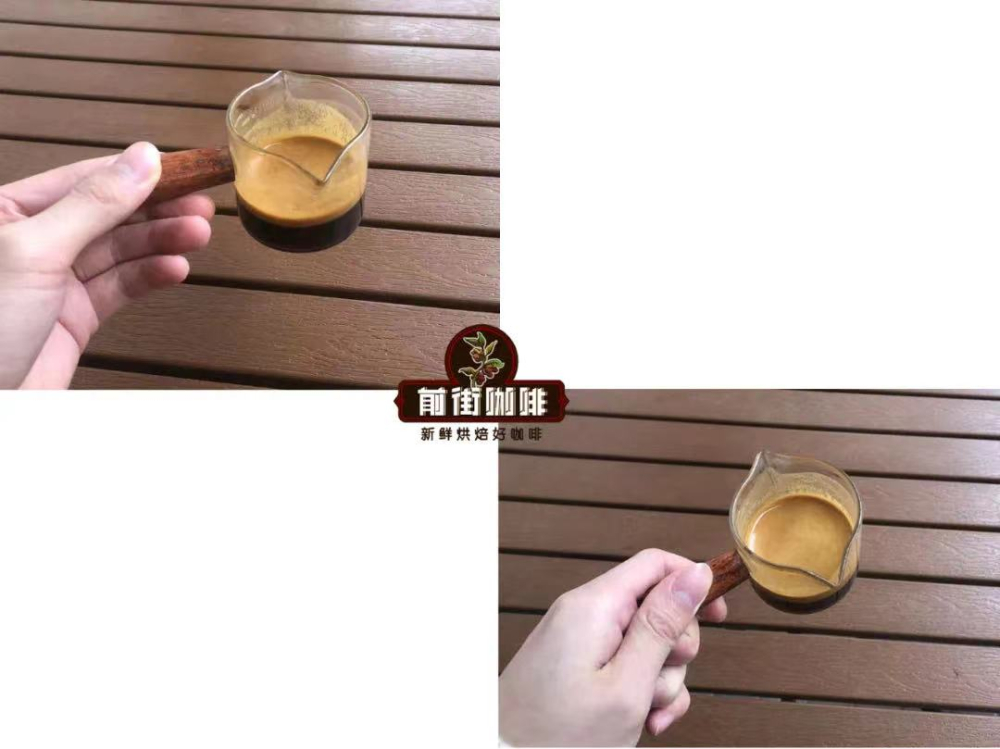
Espresso Brewing | What Is a Moka Pot? Which Coffee Beans Should You Use for a Moka Pot? Does Moka Pot Coffee Have Crema? How Fine Should You Grind Coffee for a Moka Pot?
For professional coffee knowledge exchange and more coffee bean information, please follow Coffee Workshop (WeChat official account cafe_style). Today, Front Street Coffee (FrontStreet Coffee) is sharing with you how to use this coffee brewing device that has taken Europe by storm, which is to teach everyone how [more…]
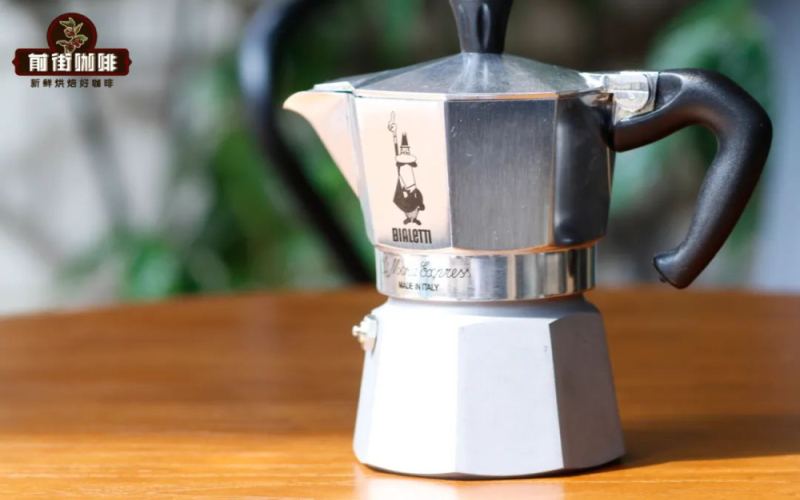
A Practical Guide to the Moka Pot: Extraction Principles, Operating Steps, and Why the Pot Gets Stuck
The moka pot is the most common coffee brewing device in Italian households, extracting a cup of rich, crema-topped coffee by means of steam pressure. In China, however, many enthusiasts are still unfamiliar with its correct operation, and some even encounter the problem of being unable to unscrew the body after brewing. This article begins with the moka pot's invention background and structural principles, then demonstrates the complete process step by step—filling water, adding grounds, heating, and removing from heat—and explains how grind size affects extraction safety, as well as why the body becomes difficult to open after use due to pressure differences. Front Street PWN Golden Mandheling is used for the brewing demonstration, helping readers master the key points of using this classic device. [more…]
A Complete Analysis of Moka Pot Italian-Style Brewing Details: From Structural Principles to Anti-Seizing and Safe Operation
The moka pot is an extremely common classic coffee device in Italian households, with almost every home keeping one on hand. It relies on the steam pressure generated by heating the lower chamber to push hot water through the coffee grounds and into the upper chamber, thereby producing a cup of rich coffee with oils. However, in China, not many people truly understand its correct use. This article will begin with the moka pot's invention history, structural composition, and extraction principles, then explain in detail the key steps such as the water filling position, coffee distribution method, heating rhythm, and grind size. Combined with a brewing example using Front Street PWN Golden Mandheling, it will help readers avoid splashing, explosion hazards caused by improper operation, and problems such as the pot seizing shut and being impossible to open after use, so that the moka pot can produce consistent results. [more…]
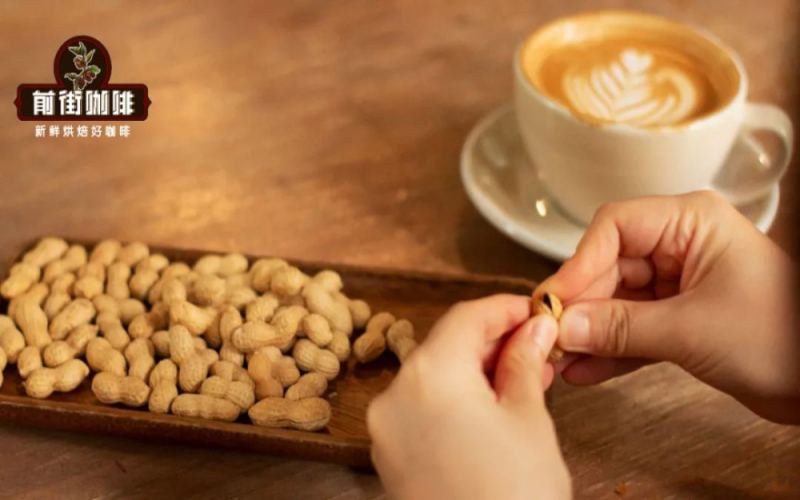
Can Peanut Butter and Coffee Be Paired? A Detailed Guide to Making Peanut Butter Hot Lattes and Iced Lattes
Can peanut butter be combined with coffee? Of course it can, and peanut butter lattes have already been appearing on plenty of coffee menus for quite some time. Today Front Street Coffee is going to talk about this distinctive flavored coffee: from ingredient selection and the ratio of peanut butter to condensed milk, to two different approaches for making it as a cold drink and a hot drink, we'll break it down step by step. The article will also share a key tip — whether peanut butter should be mixed with milk or with espresso, so that you can preserve the milk foam texture without losing the peanut flavor. Coffee lovers who enjoy trying something new might as well follow along and give it a try. [more…]

A Beginner's Guide to the Bialetti Moka Pot: Key Operating Points and Suitable Coffee Bean Choices
The Bialetti moka pot, with its rich extraction style, has become the top choice for many coffee lovers at home. However, from pouring water, distributing the grounds, to heating and removing from the heat, every step hides details; improper operation not only affects the flavor but may also pose safety hazards. This article will systematically walk friends new to the moka pot through the complete usage process, including key points such as water level control, grind size selection, and heat adjustment, while also answering the question of what kind of coffee beans go well with a moka pot. The article will also recommend a Front Street classic Italian blend bean highly praised by connoisseurs, helping you easily extract a rich, crema-topped espresso. [more…]

Zero experience? You can still practice latte art: cocoa powder dusting, water sprinkling, and reuse methods—the complete low-cost guide to practicing latte art.
Want to practice latte art well but hate watching espresso and milk go down the drain with every cup? In fact, many coffee enthusiasts have long since figured out a money-saving, no-waste way to practice. In this article, Front Street Coffee will share several low-cost latte art practice solutions: from the dark soy sauce plus dish soap combo that even complete beginners can handle, to the reusable espresso-and-milk cycling method, and we'll also answer how to froth milk with a French press when you don't have an espresso machine. We'll also recommend espresso beans suitable for latte art, helping beginners build up their hands' muscle memory for milk foam step by step while keeping costs under control, so that every practice session gets closer to coffee shop quality. [more…]
Learning Latte Art from Zero: A Low-Cost Approach Using Dark Soy Sauce, Dish Soap, and Recycled Espresso-Foam Practice
The art of latte art, at its core, relies on the repeated muscle memory of the hands for milk flow and foam. But if every practice session requires freshly pulled espresso and freshly steamed milk, the cost is high, and it's truly a waste to pour out what can't be finished. So many coffee enthusiasts have figured out some money-saving yet practical practice routines to minimize waste. In this article, Front Street Coffee will explain how coffee shops practice latte art in their daily operations: we'll introduce the choice of espresso beans suitable for latte art, share how to froth milk with a French press when there's no espresso machine, and break down in detail two low-cost practice methods—using dark soy sauce with dish soap, and recycling espresso with milk—to help you build up your latte art skills step by step at home. [more…]
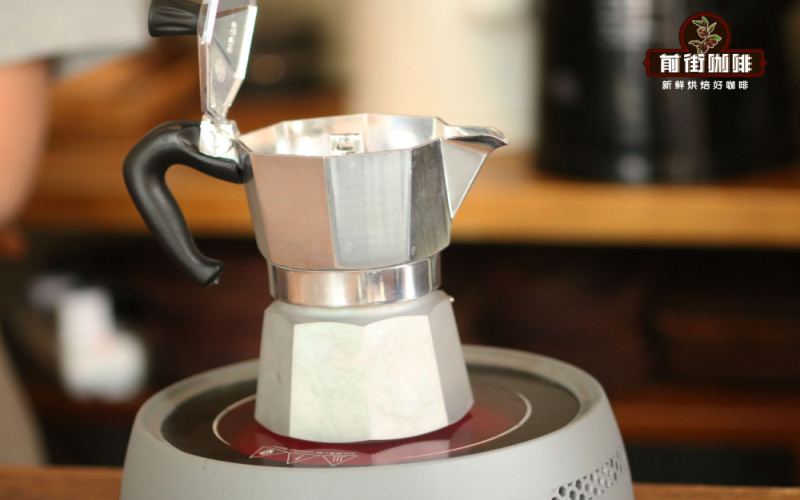
Moka Pot Operation Guide: From Parameters to Practice, Easily Make a Latte
As a home coffee device, the moka pot is known for its convenience. There is no need to be overly rigid in operating it—just get a few key steps right. This article starts with the working principle of the moka pot, explains key points such as coffee bean selection, grind size, water-to-coffee ratio, and heating method, and includes complete steps for making both iced and hot lattes. Whether you are a beginner or an advanced enthusiast, you will find practical references here. [more…]
The Origin Story, Construction Principles, and Key Operating Points of the Moka Pot: A Complete Guide from Extraction Mechanism to Grind Size Control
The moka pot is a classic coffee-making tool found in almost every Italian household; it is said that eight out of every ten local families keep one. In China, however, it is not widely used, and many enthusiasts lack a systematic understanding of the operating details. From the perspective of Front Street, this article first reviews the invention origins of the moka pot and the birth of the Bialetti brand, then breaks down the three-part structure of the upper chamber, filter basket, and base, as well as the principle of steam-pressure extraction, followed by a step-by-step explanation of the key operating points such as adding water, filling coffee grounds, heating, and removing from the heat. The article also specifically recommends several medium-dark roasted beans, including Front Street Queen's Estate, Front Street PWN Golden Mandheling, and Front Street Bird of Paradise, and uses Golden Mandheling as an example for a brewing demonstration. Finally, it offers grinding advice of EK-43s 3-3.5 setting and safety reminders. [more…]

Whisking coffee with a tea whisk? Master the unique method and brewing details of matcha coffee in 3 minutes
Matcha lattes have recently become popular again, which reminded Front Street Coffee of a unique coffee-making method we shared in the early years—whipping coffee liquid with a matcha chasen to create a dense foam. This method was created by actor Hiroshi Fujioka, inspired by his mother's tea ceremony, transplanting the whisking action used in matcha preparation onto coffee. It not only enhances the aroma and mouthfeel but also carries a distinctively Japanese character. This article will provide a complete introduction to this method: from background knowledge on matcha and the whisking method of tea preparation, to coffee bean selection, brewing parameters, chasen whisking technique, and finally an actual tasting comparison. Front Street Coffee used Blue Mountain coffee beans and a Kono dripper for the brewing demonstration, and recorded the noticeable differences in flavor before and after whisking, making it suitable for trying at home. [more…]